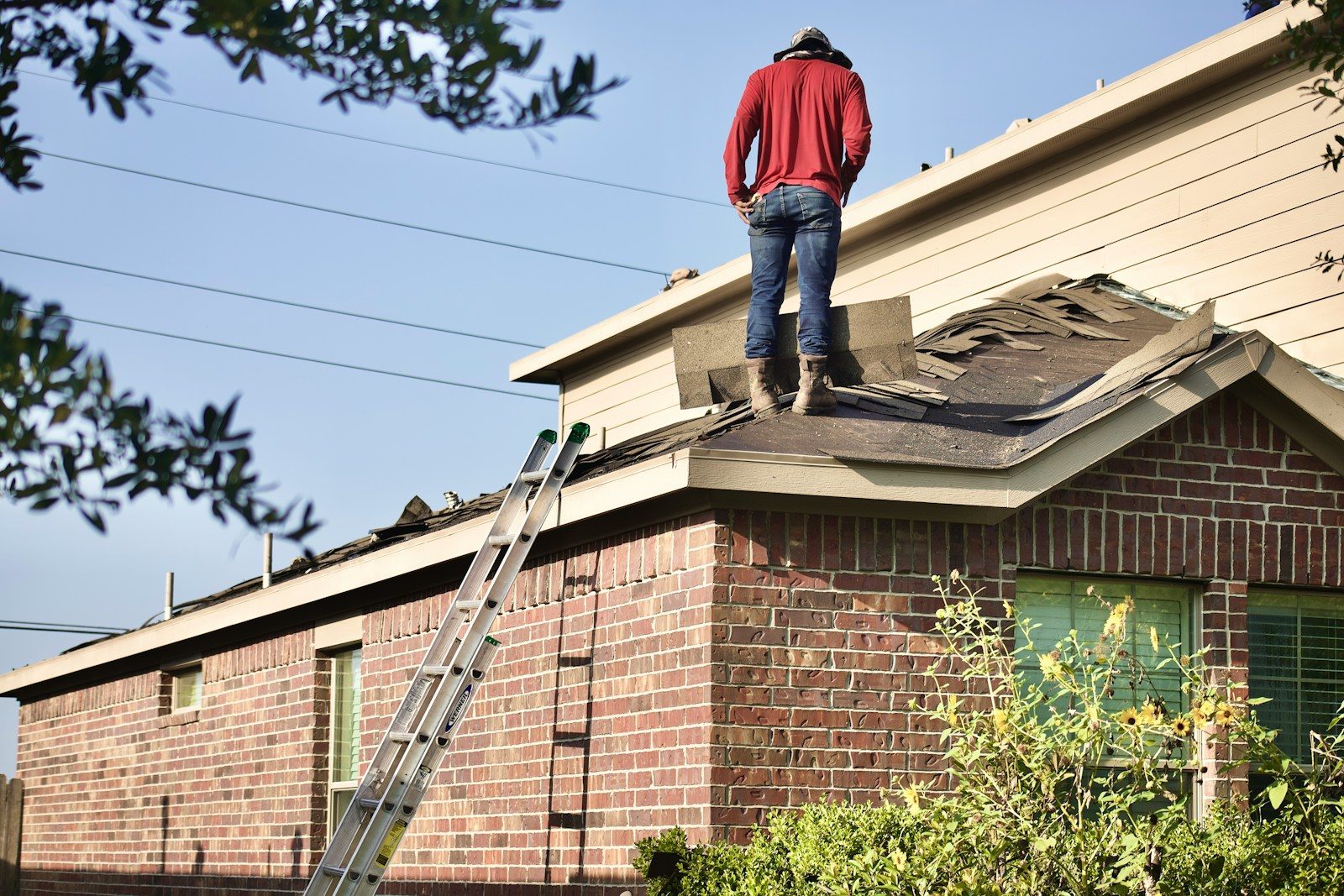
Homeowners should schedule home roof inspections in Raleigh, NC at least once per year, ideally during the spring or fall. To ensure storm safety, Cornerstone Roofing Solutions also recommends scheduling an immediate inspection following any major weather event, such as a hurricane, tropical storm, or severe hailstorm, to identify and repair hidden structural damage.
Key Takeaways
- Annual Maintenance: Schedule a routine check-up once a year to prolong roof life.
- Storm Response: Get a professional inspection immediately after high-wind or hail events.
- Seasonal Timing: Spring and fall are the best times for preventative inspections.
- Local Climate: Raleigh’s humidity and storm patterns necessitate frequent monitoring.
Recommended Frequency for Routine Maintenance
Annual inspections are the standard requirement for maintaining a healthy roofing system in North Carolina. Because Raleigh experiences high humidity and significant temperature swings, roofing materials expand and contract frequently, which can loosen fasteners or crack sealants. A yearly check-up allows professionals to catch these minor issues before they lead to costly leaks or interior water damage.
Scheduling Inspections After Severe Weather
Major storm events in the Research Triangle necessitate an immediate professional roof assessment regardless of when your last inspection occurred. Raleigh is frequently impacted by the remnants of hurricanes and severe summer thunderstorms that produce damaging wind and hail. Even if your roof looks fine from the ground, high winds can lift shingles and break the water-tight seal, while hail can bruise the asphalt matting, leading to premature failure.
Factors Influencing Inspection Timing
Several specific factors determine if your home requires more frequent roof check-ups than the standard annual recommendation. Homes with older roofs or those surrounded by heavy tree canopies often benefit from bi-annual visits.
- Age of the Roof: Roofs over 15 years old should be inspected twice a year as materials become more brittle.
- Surrounding Foliage: Large oaks or pines can drop debris that traps moisture or scrapes against shingles during Raleigh windstorms.
- Recent Repairs: If you have recently had patches or flashing work done, a follow-up inspection ensures the repairs are holding up against the elements.
- Material Type: Asphalt shingles generally require more frequent monitoring than durable metal roofing or slate.
What Professionals Look for During a Raleigh Roof Inspection
Professional inspectors examine both external and internal components to ensure your home is prepared for the next storm season. A comprehensive inspection goes beyond a simple visual scan and includes a detailed analysis of the roof’s structural integrity.
| Inspection Area | What is Checked | Potential Storm Risk |
|---|---|---|
| Shingles/Surface | Granule loss, curling, or missing pieces | Wind uplift and water penetration |
| Flashing | Seals around chimneys and vents | Entry points for driving rain |
| Gutters | Clogs, sagging, or improper drainage | Foundation damage and ice damming |
| Attic/Interior | Water stains, mold, or light peeking through | Undetected leaks and insulation rot |
| Ventilation | Ridge vents and soffit airflow | Heat buildup and shingle “blistering” |
FAQ: Raleigh Roof Inspections
Can I perform my own roof inspection from the ground?
While you can spot missing shingles with binoculars, a professional must get on the roof to check for soft spots, loose flashing, and hail bruising that are invisible from a distance.
How long does a professional roof inspection take?
A standard residential roof inspection in Raleigh typically takes between 45 and 90 minutes depending on the size and pitch of the roof.
Does a roof inspection include the attic?
Yes, a thorough inspection should include an attic check to look for signs of moisture, mold, or light filtering through the roof deck.
Will my insurance company require an inspection after a storm?
Most insurance companies require a professional damage assessment to process a claim for storm or hail damage.
What is the best month to schedule an inspection in North Carolina?
April and October are ideal months, as the weather is mild and you can prepare the home for the upcoming summer storms or winter freezes.
For expert care and reliable storm safety assessments, contact Cornerstone Roofing Solutions to schedule your professional roof inspection and protect your home year-round. We also provide commercial windows installation services.